
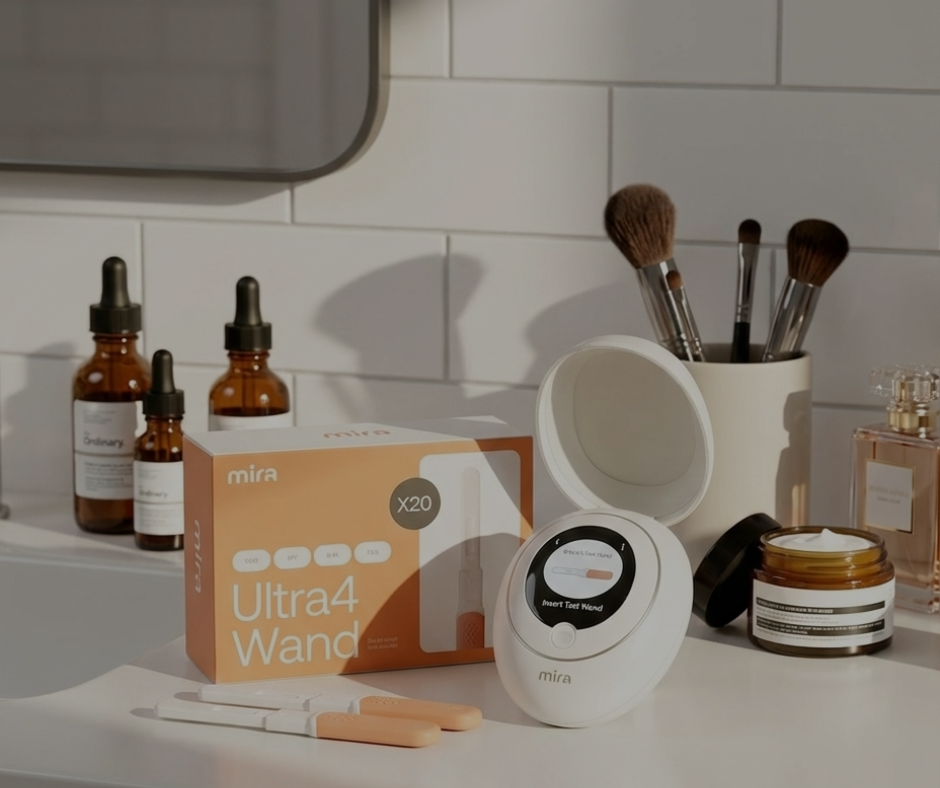
Mira ❤️’d my experience so much, they asked to sponsor this article
I Tried Mira’s Ultra4 Kit While Trying to Get Pregnant… Here’s What Actually Helped
I genuinely didn’t expect trying to get pregnant to turn me into a part-time detective.
But after months of trying, negative tests, and a whole lot of “maybe this month?” followed by disappointment… I hit a point where I realized something pretty simple:
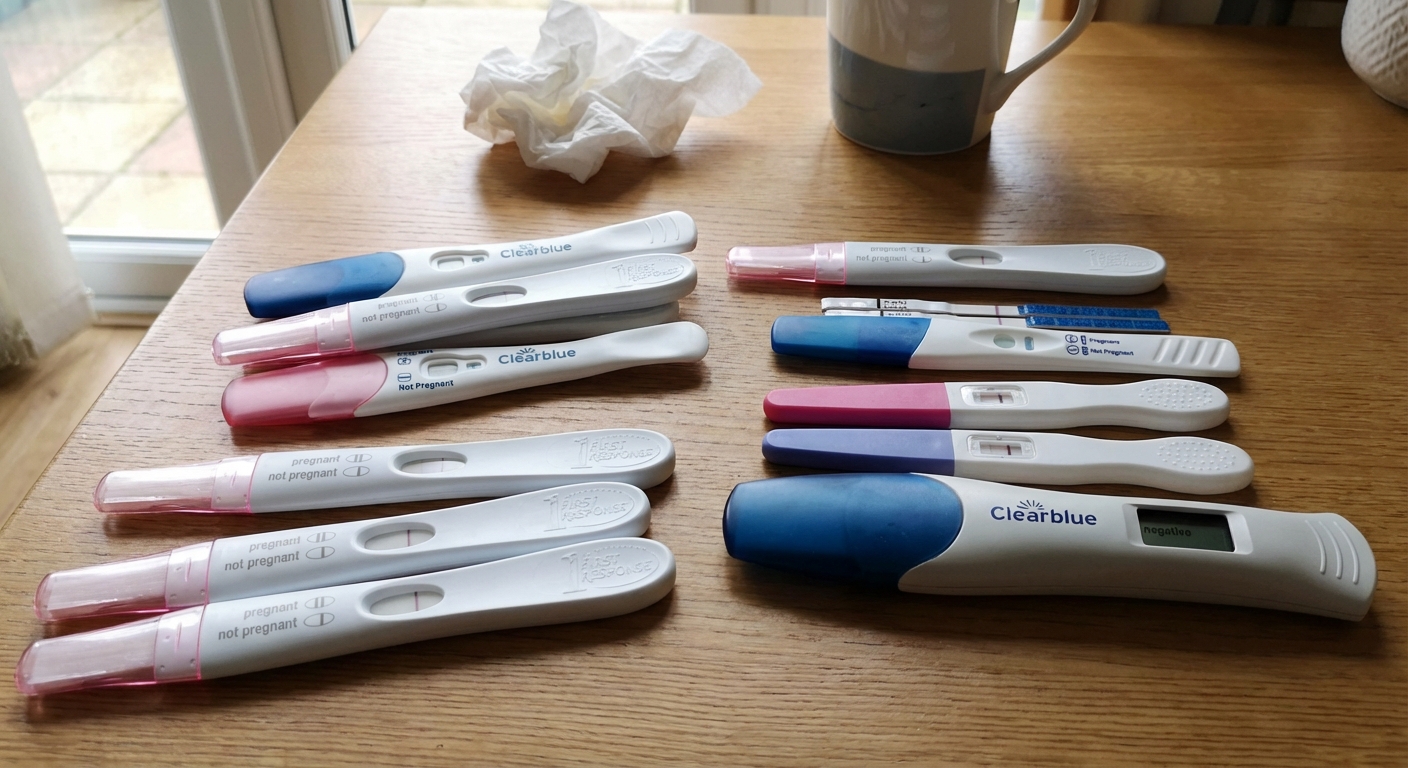
I wasn’t doing everything wrong. I just didn’t actually know what was going on in my body.
And when you’re TTC, guessing gets old fast.
The part nobody really warns you about
When you tell people you’re trying to conceive, the advice starts pouring in. And it’s usually the same three lines:
- “Just relax.”
- “It’ll happen when it happens.”
- “Stop tracking everything.”
Meanwhile, you’re standing in your bathroom holding another pregnancy test, wondering if you even hit your fertile days.
That was me.
I had a period app. I bought ovulation strips. I did the “calendar math.” I even tried the whole be chill about it thing (spoiler: I was not chill).
And somehow I still felt like I was missing the timing… or missing something bigger.
My biggest TTC problem was actually pretty basic
I didn’t know what was happening in real time.
Apps are predictions. Strips can be helpful, but they still make you interpret things. And my cycle wasn’t consistent enough for any of it to feel reliable.
Some cycles were shorter. Some were longer. Some months I’d get a positive ovulation strip and then… I’d get another positive a few days later and think, Wait, what am I supposed to do with that?
If you’ve ever stared at a strip like it’s going to blink and tell you the answer, you get it.
That’s what pushed me to start looking at Mira’s Ultra4 Kit.

Why I picked the Mira Ultra4 Kit (even though I hesitated)
I’ll be upfront: I did not immediately jump to buying Mira.
The Mira Ultra4 Kit isn’t the same vibe as grabbing a cheap box of OPKs at the drugstore. It’s an investment, and I had to talk myself into it.
What convinced me was the idea that it wasn’t just giving me a “yes/no” line to interpret; it was giving actual hormone numbers. Like, data I could use, instead of me trying to convince myself a line was “dark enough.”
The other big thing: Ultra4 tracks four hormones in one test. That felt like the difference between getting one clue… and actually seeing the full picture.
I also liked that Mira explains how the system works in a way that doesn’t feel overly clinical or intimidating.
What the Ultra4 Kit is (in normal-person terms)
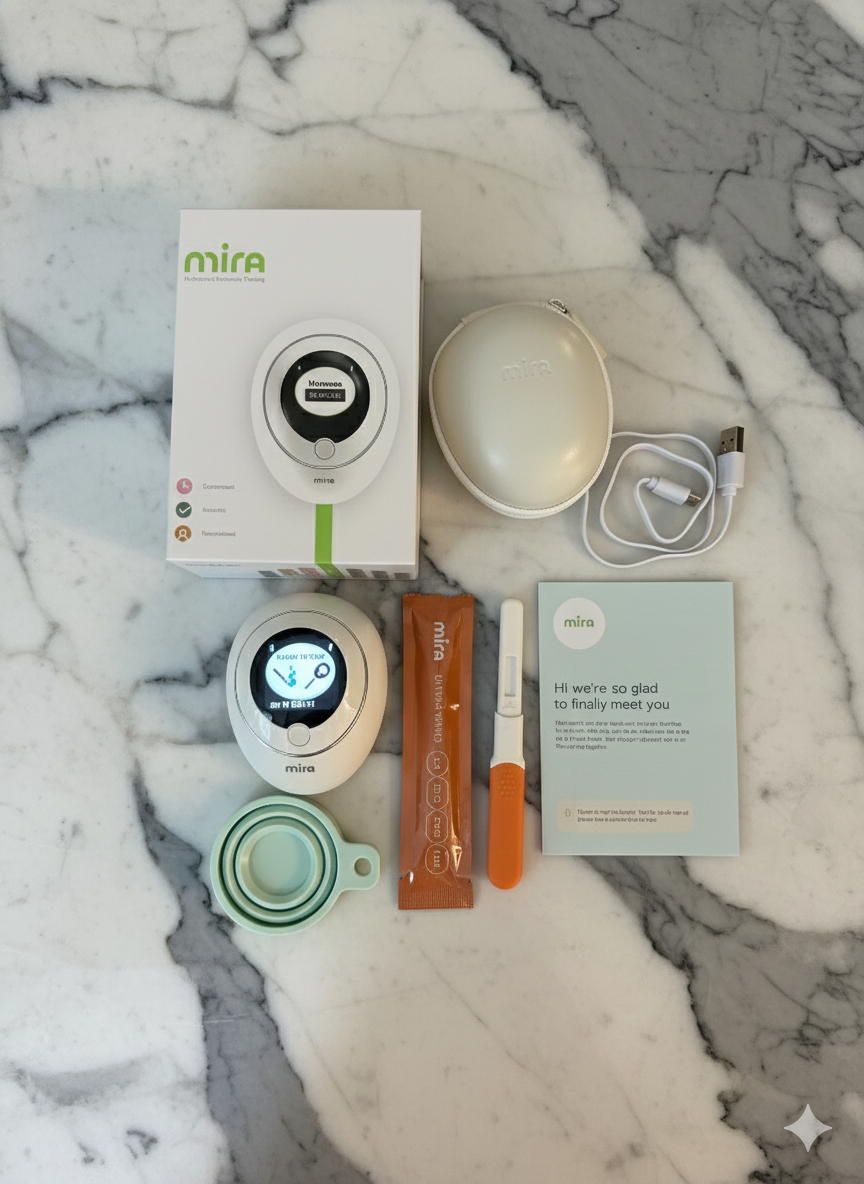
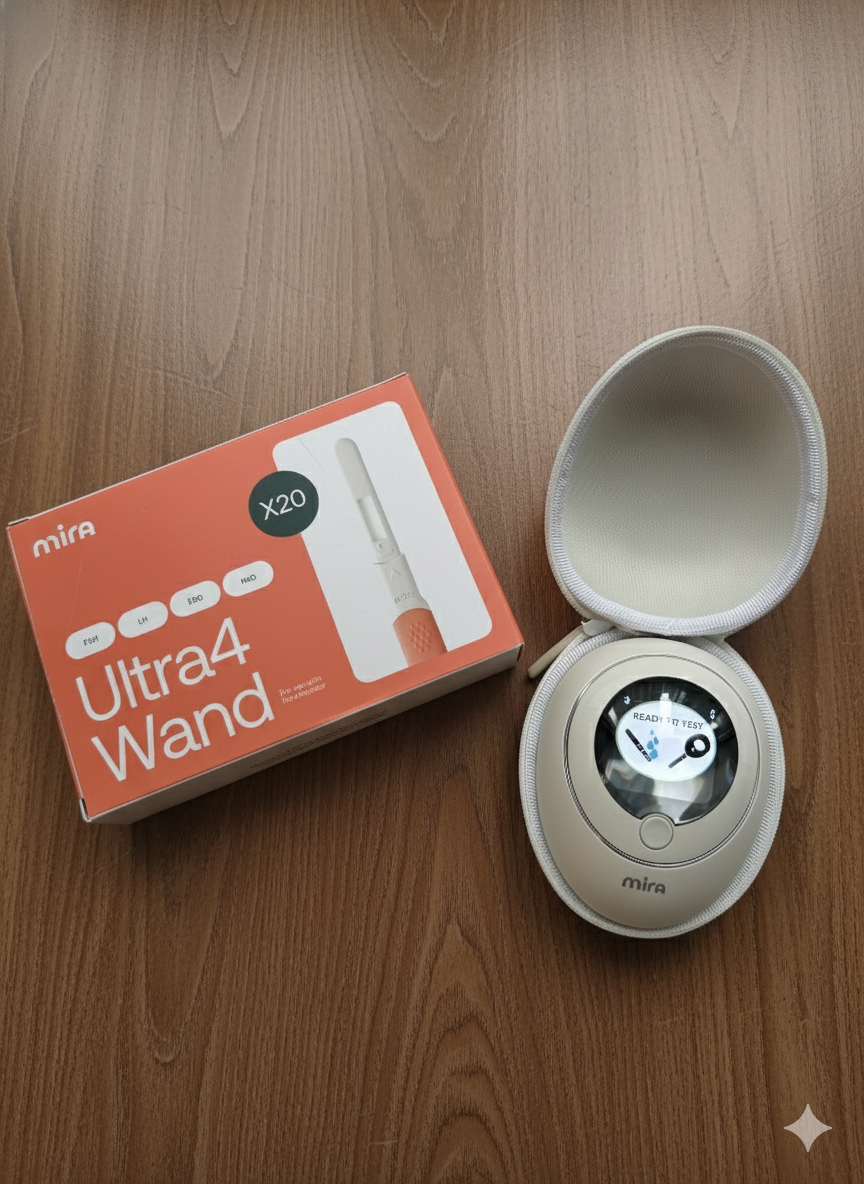
The kit comes with:
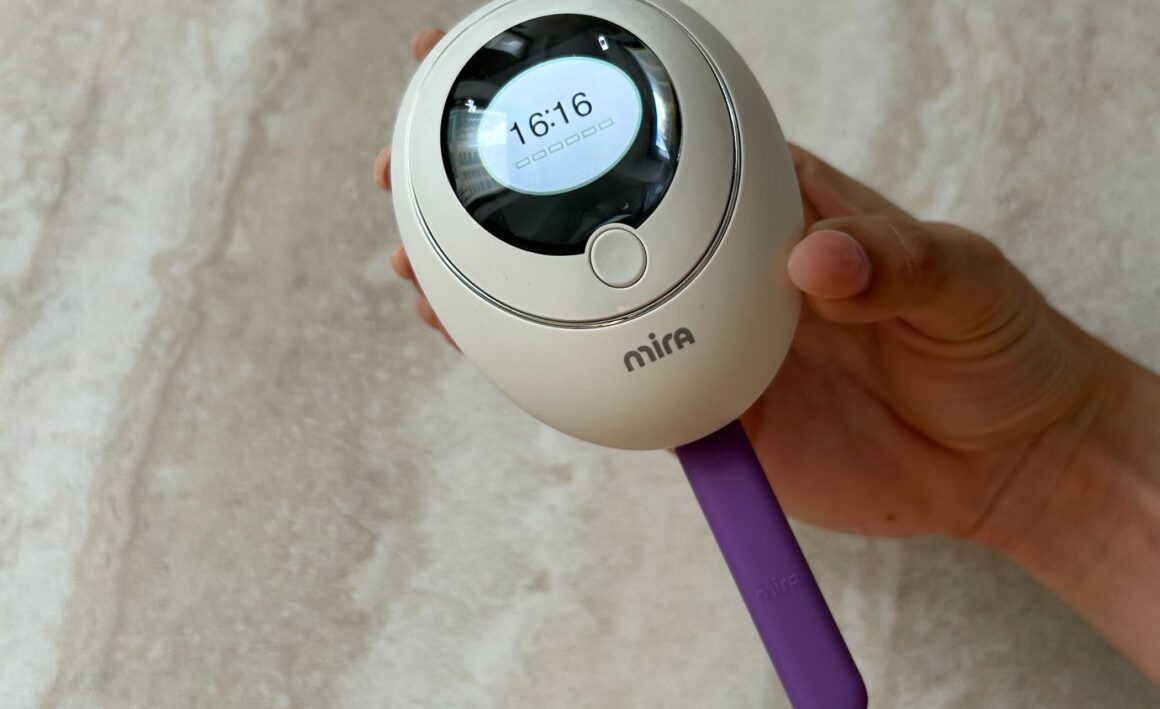
- A small analyzer (the little monitor device)
- Ultra4 test wands
- The Mira app (where the results show up)
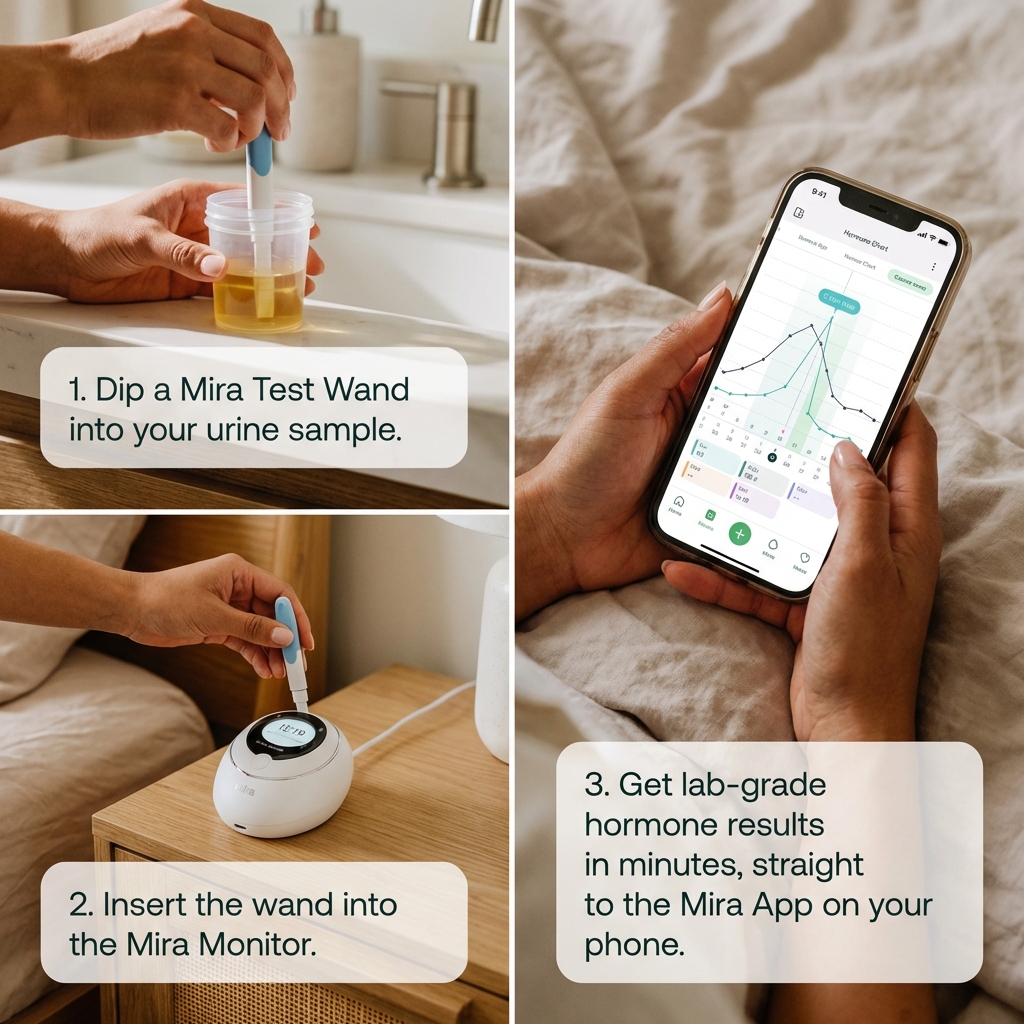
You test with urine at home, insert the wand into the monitor, and it sends the results to the app.
No blood draws. No appointments. No waiting for a call from a nurse. Just… information, on your phone.
And honestly, I appreciated how straightforward it was. When you’re already stressed, you don’t want a “learning curve” on top of everything else.
The four hormones it tracks (my personal cheat sheet)
I’m not a scientist and I wasn’t trying to become one. But here’s what mattered for me:
- E3G (estrogen) – helps show when your fertile window is opening
- LH – the surge that typically happens right before ovulation
- PdG – used to help confirm ovulation happened afterward
- FSH – gives extra context early in the cycle
The app also helps explain what you’re looking at, which made it feel less intimidating. I didn’t need to understand every hormone in-depth; I just needed it to be clear enough to act on.
How using Mira actually fit into my day-to-day
My routine was basically:
- Pee in a cup (love this journey)
- Dip the wand
- Put it into the monitor
- Wait a bit
- Open the app and check results
The results came back quickly, which I didn’t realize would matter so much until I was in it. When you’re TTC, waiting an hour for anything feels like a year.
Also: I wasn’t testing every single day forever. The app guided me on when to test, which made it feel more manageable and less like I’d taken on a second job.
The “oh wow” moment for me
This was the part that made everything click.
My period app was convinced I ovulated around day 14. Very confident. Very smug about it.
My body, however, did not agree.
When I started using Mira Ultra4, I could actually see my hormones ramping up (like watching my fertile window open in real time instead of guessing based on an average cycle).
And then it hit me:
I was ovulating later than I thought!
Which meant that in past cycles, we were probably timing sex “perfectly”… but on the wrong days.
That realization was weirdly emotional. Not because it was scary, but because it was such a relief to finally have a clear explanation that wasn’t “you’re doing it wrong.”
What Mira helped me with (the stuff I kept getting stuck on)
1) “My cycle is irregular, so tracking feels pointless.”
If your cycle changes from month to month, prediction apps can only do so much. Mira felt more personal because it was responding to what my hormones were doing that cycle, not what an algorithm thought I “should” be doing.
2) “Ovulation strips stress me out.”
Strips made me spiral. I hated the squinting, the second-guessing, the “is this positive or am I imagining things?” mental gymnastics.
Seeing numbers instead of lines calmed me down a lot. It wasn’t “interpret this faint line.” It was, “Here’s what’s happening.”
3) “I don’t just want to predict ovulation; I want to know if it happened.”
This was huge for me.
A surge is one thing, but I kept wondering, Did I actually ovulate? Because if you don’t know, it’s hard to feel confident about anything.
Ultra4 includes PdG, which helps confirm ovulation after the fact. That gave me more peace of mind than I expected.
4) “I’m tired of feeling alone in this.”
This one surprised me.
TTC can feel isolating, even if you have supportive people around you, because so much of it is invisible and uncertain.
Having clear results made me feel less like I was floating through the month with no plan. It didn’t make TTC easy, but it made it feel less chaotic.
Is Mira perfect? No. Here’s what I’d tell a friend.
If I were texting a friend about it, I’d be honest about a few things:
- It’s not cheap. You have to decide if the clarity is worth the cost for you.
- You still have to test. If you want “zero effort,” this isn’t that.
- Nothing guarantees pregnancy. TTC is complicated, and timing is only one piece.
But for me, it was the first tool that made me feel like I wasn’t throwing darts in the dark.
So… did it help me get pregnant?
In my case… yes.
And I don’t say that in a “this is a miracle product” way, because that’s not my personality and I don’t trust that kind of claim anyway.
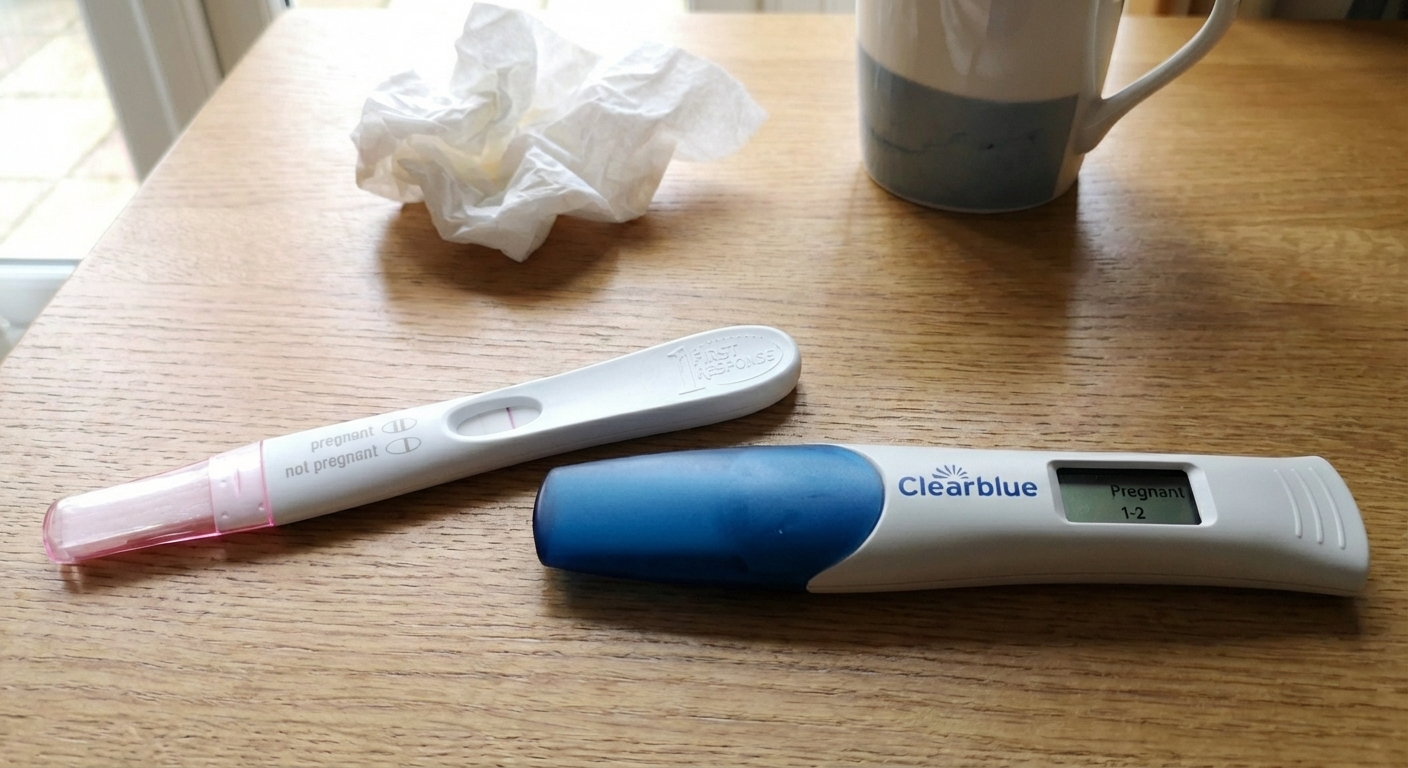
What I can say is that Mira helped me identify my actual fertile window, stop relying on guesses, and time things based on what my body was doing instead of what an app predicted.
And the cycle where everything finally lined up i.e. the hormones, the timing, and the hope..that’s the cycle that worked.
I still remember looking at the positive test and just… staring. Like my brain couldn’t catch up.
Who I think the Mira Ultra4 Kit is best for
I’d recommend looking into Mira Ultra4 if:
- Your cycle is irregular (or you just don’t trust predictions)
- You’ve used ovulation strips but still feel unsure
- You want more clarity than an app can give
- You want insight before and after ovulation, not just an LH surge
- You’re tired of guessing and want to see real patterns
If you’re the kind of person who wants help choosing the right setup, I’d start here: take Mira’s quiz.
And if you want to read more about how it works before you buy, this breakdown helped me a lot.
Final thoughts
Trying to conceive can make you feel weirdly powerless (like you’re doing everything and nothing at the same time).
Mira didn’t give me control over the outcome (because nothing really does). But it did give me something I didn’t realize I was craving so badly: a clearer understanding of what was happening in my body.
And when you’re TTC, that clarity is worth a lot.
As always: this is my personal experience, not medical advice. If you’re dealing with infertility, losses, or medical concerns, please talk with a qualified clinician.