
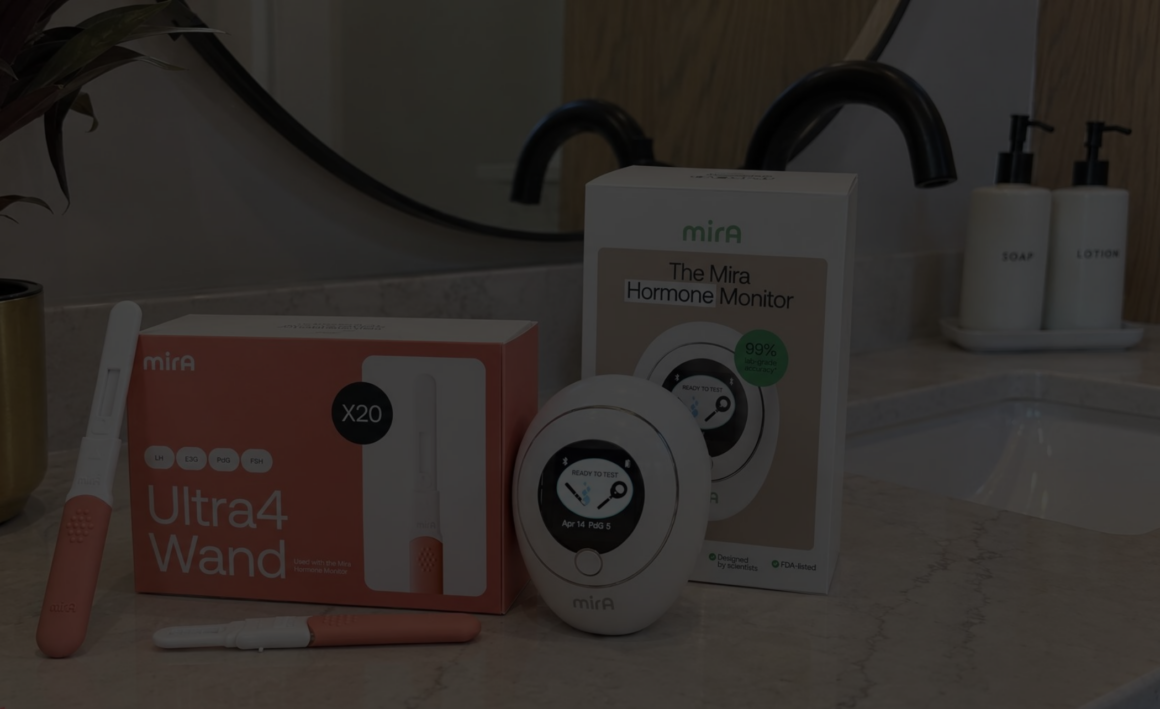
Mira ❤️’d this story so much, they agreed to sponsor this article.
My Body Changed. Nobody Could Tell Me Why.
Irregular cycles at 38. 3 a.m. wake-ups. Moods I didn’t recognize. After hearing “you’re just stressed” and “you’re too young for perimenopause,” I started tracking my hormones at home with Mira.
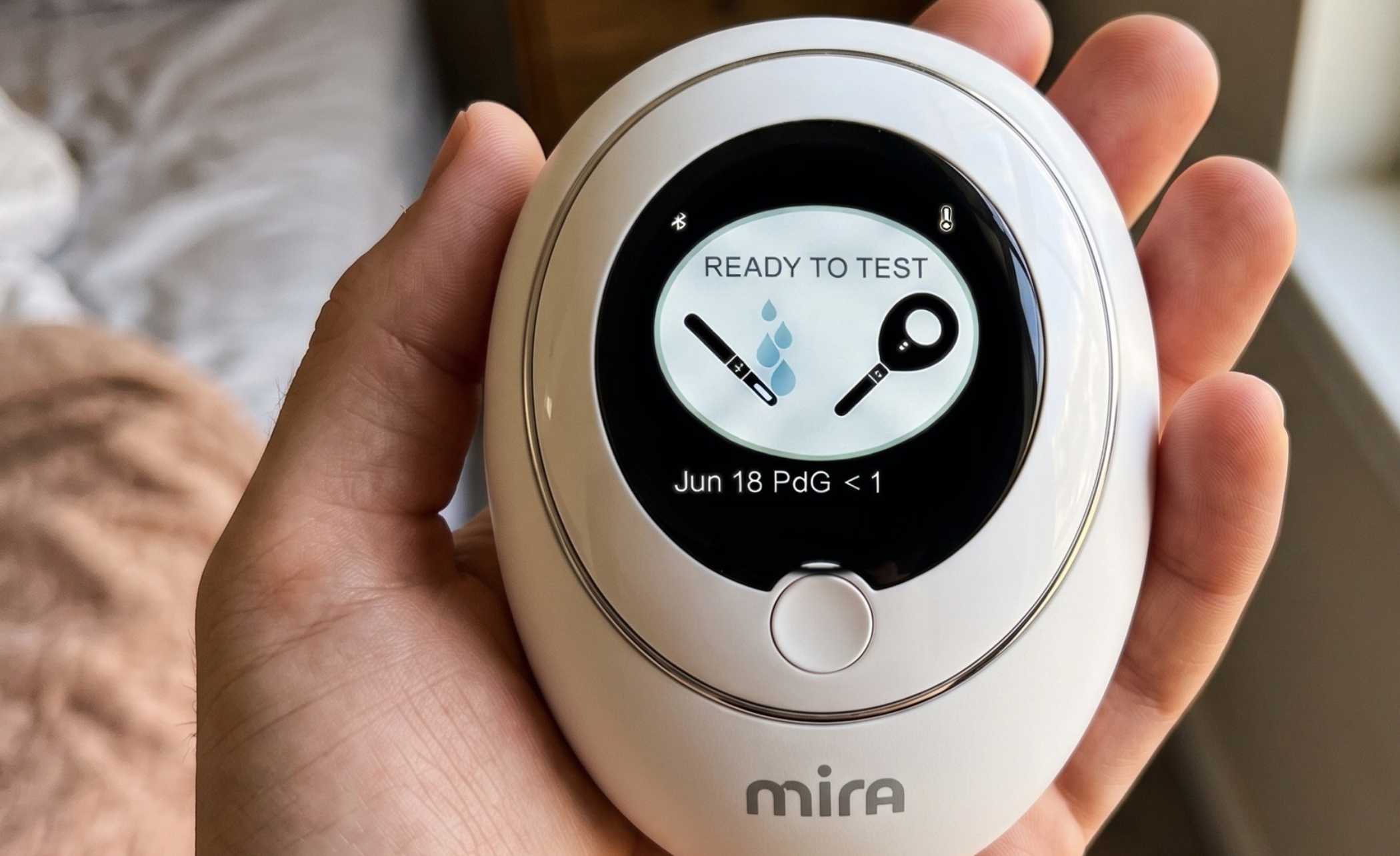
Sleep went first. Then a cycle that ran 24 days, followed by one that ran 35. My brain felt like it was buffering, and I was snapping at people I love over nothing. My period app, meanwhile, kept cheerfully predicting dates like nothing had happened.
Then the list grew: hot flashes, night sweats, mood swings, irritability, and a brain fog that ate words mid-sentence. Some nights I was googling at 2 a.m., asking myself, am I losing my mind?
Editor’s Note: Mira is offering 20% off kits during the Halloween Sale.
Everyone had the same answer: “You’re just stressed.” When I finally said the word ‘perimenopause’ at my annual checkup, I got a look. Then the line: “You’re a little young for that.”
Nobody Told Me Perimenopause Can Start in Your 30s
Searching for some sort of answer, I started digging for information. As it turns out, I wasn’t an outlier. In a 2022 survey, 47% of the women asked said their perimenopause symptoms started between 35 and 45.
Nobody told me this stuff either:
- It can start in your 30s. I was 38, not “too young.”
- You can still have regular periods.
- Your labs can come back “normal.”
- You don’t need hot flashes for it to be perimenopause. Mine started with sleep and my cycle.
My late-night research eventually led me to the reviews of Mira’s perimenopause kit: basically all from women in their late 30s and 40s, sounding exactly like me.
So I went looking for a way to stop guessing. Mira’s at-home hormone monitor does the measuring from a urine sample, in my own bathroom. Here’s what two months of data showed me.
“What Is It,” You Ask? Well, a Private Lab That Fits in My Bathroom Drawer
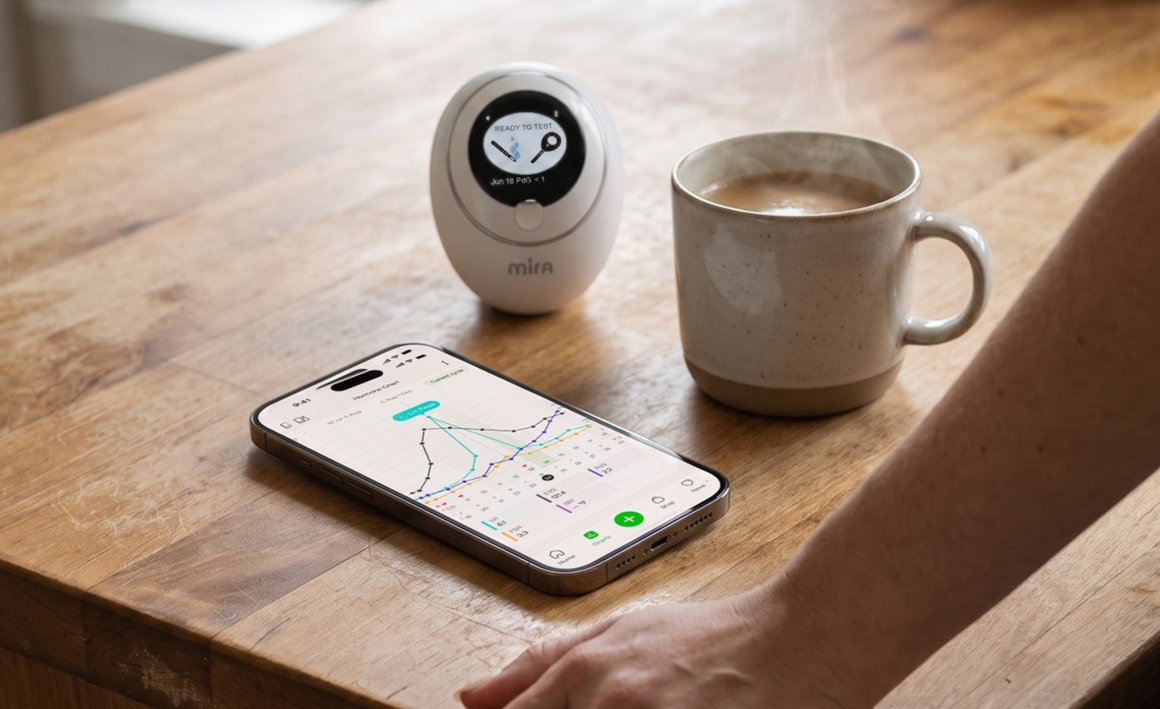
I’d always assumed Mira was a fertility gadget, and plenty of people do use it for just that. However, the Ultra4 Kit for Perimenopause is built for this transition: it tracks your hormones and logs your symptoms side by side, which is where the clarity comes from.
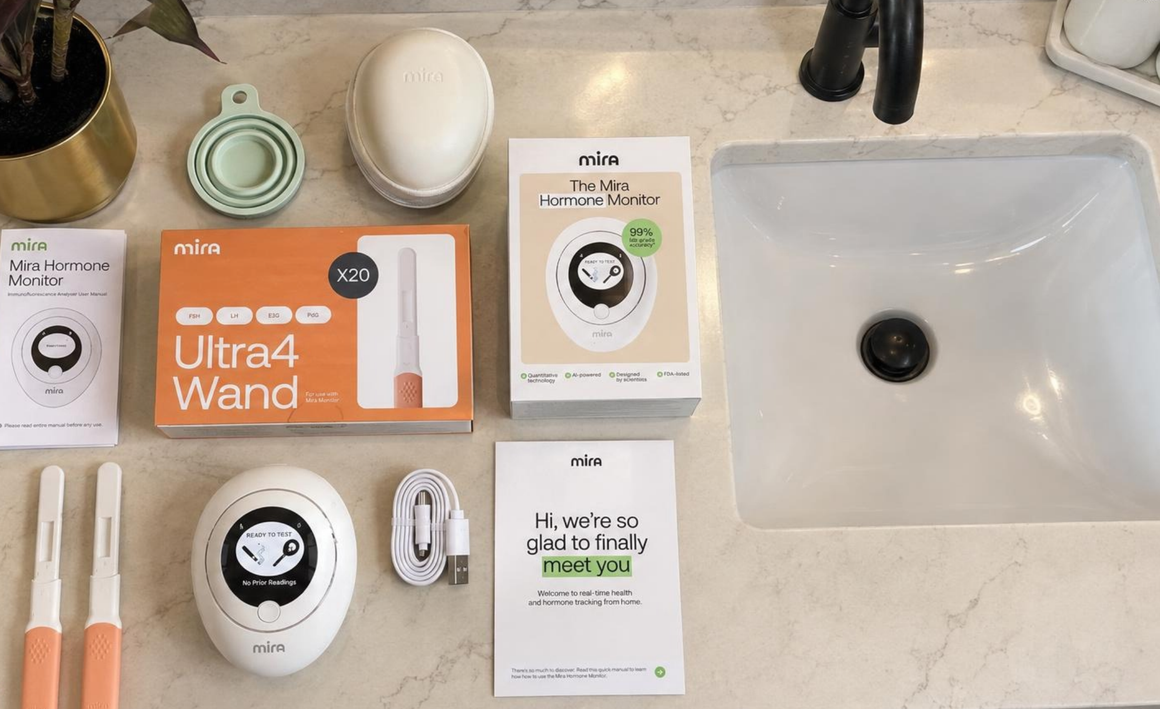
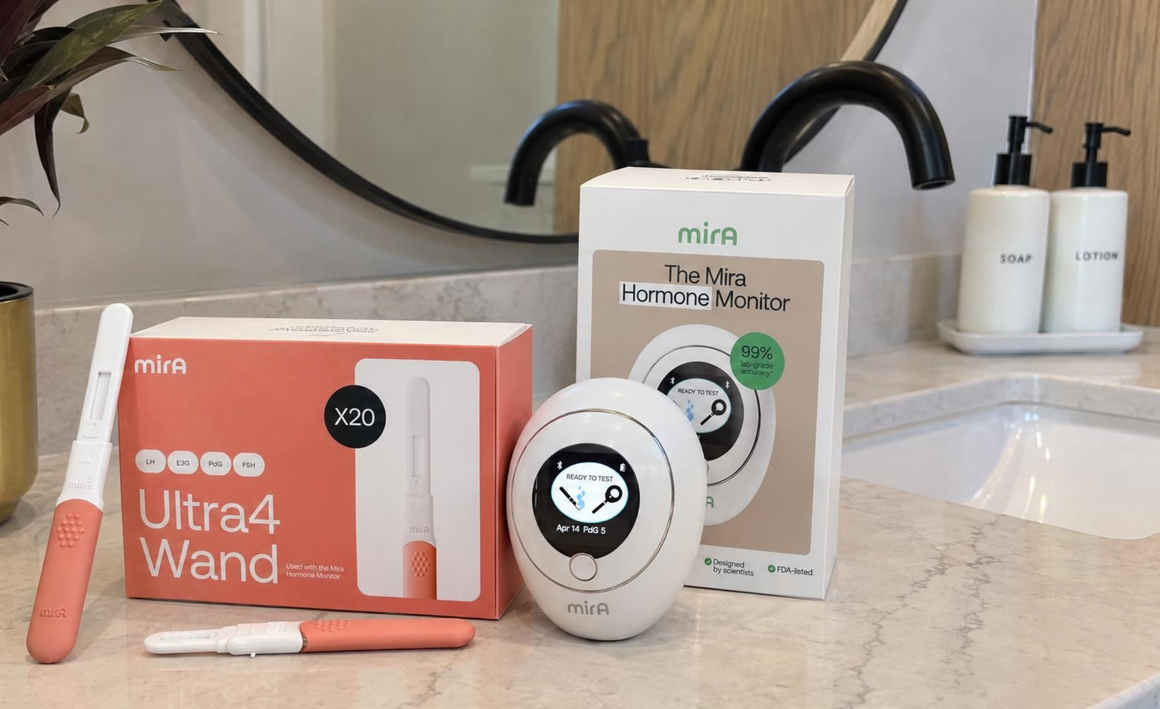
The setup is a small monitor, a pack of test wands, and the free Mira app. You test a urine sample at home, and the monitor reads four hormones from one wand:
- FSH: follicle-stimulating hormone, so you can watch how it changes over time
- LH: changes here can help explain irregular cycles and missed ovulation
- E3G: an estrogen marker, so you can line up your swings with things like hot flashes, mood changes, and bad sleep
- PdG: shows whether your body is producing progesterone. Low levels often signal a skipped ovulation
You get real numbers, not just faint lines to squint at.
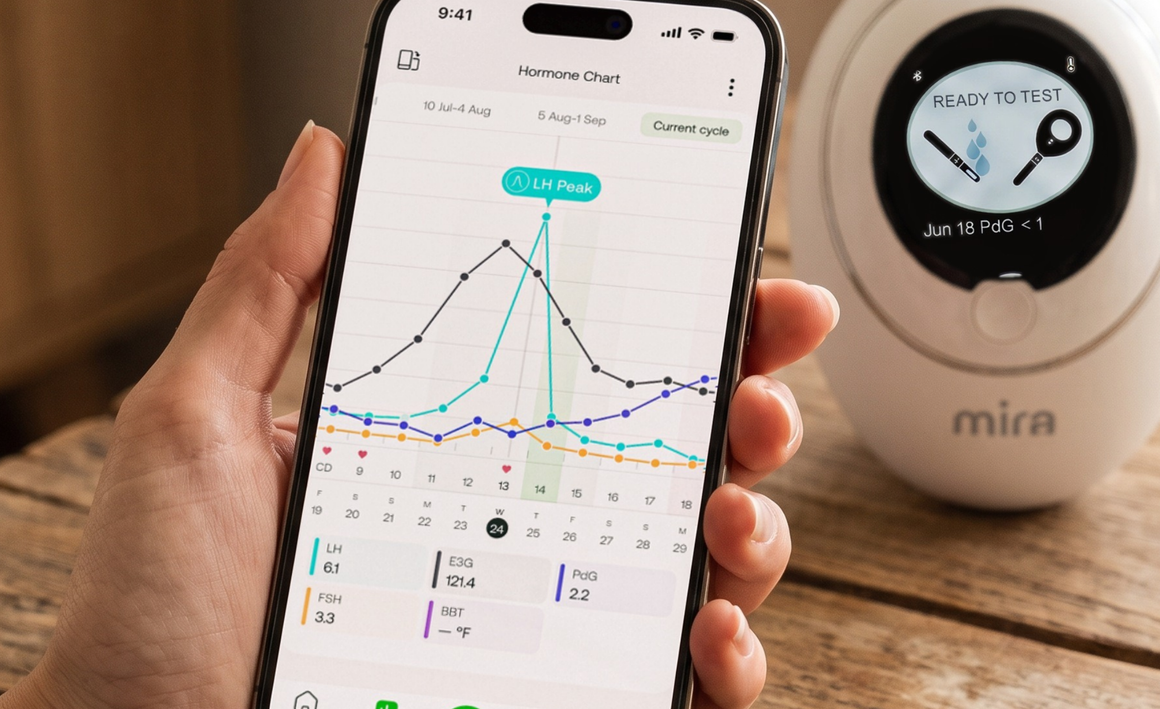
The Mira Difference: Apps Guess. Wearables Estimate. Mira Measures.
Here’s the problem with everything I’d tried. A period app predicts from a calendar. Wearables estimate from temperature or heart rate. A blood draw shows your levels only for a single morning. Nothing measured my hormones over time, and my symptoms weren’t sticking to a single morning.
Mira covers that gap. You test at home on a schedule and watch the pattern build over weeks. In Mira’s own side-by-side lab study, its readings were also a stronger match to lab results than other at-home hormone trackers.
“I have been experiencing perimenopause symptoms, but my bloodwork always comes back normal. However the data from the Mira is giving me a good idea of my hormone fluctuations and what stage of perimenopause I am at. I have been able to pinpoint my symptoms with the different hormone fluctuations.”
Katlin F., verified buyer
I still did my homework before buying, because I’m me. Mira is FDA-registered and ISO 13485 certified.
- It’s used in studies at 50+ universities and fertility clinics.
- It’s been chosen by 3,000+ healthcare professionals.
- More than 300,000 women trust it.
Needless to say, it passed my tests.
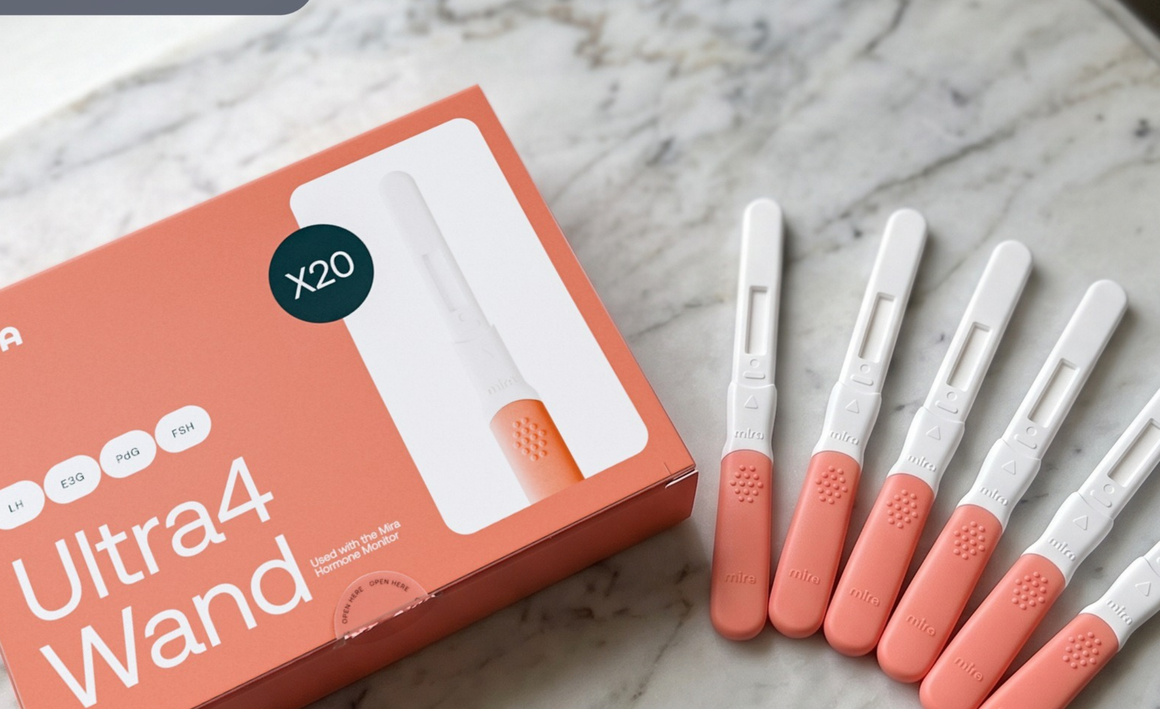
It comes in two sizes, 20 wands or 30, and Mira’s quick quiz points you to the right kit. I started with the 20-wand Ultra4 Kit for Perimenopause, which covered a couple of cycles.
Pee, Wait 16 Minutes, Get Results
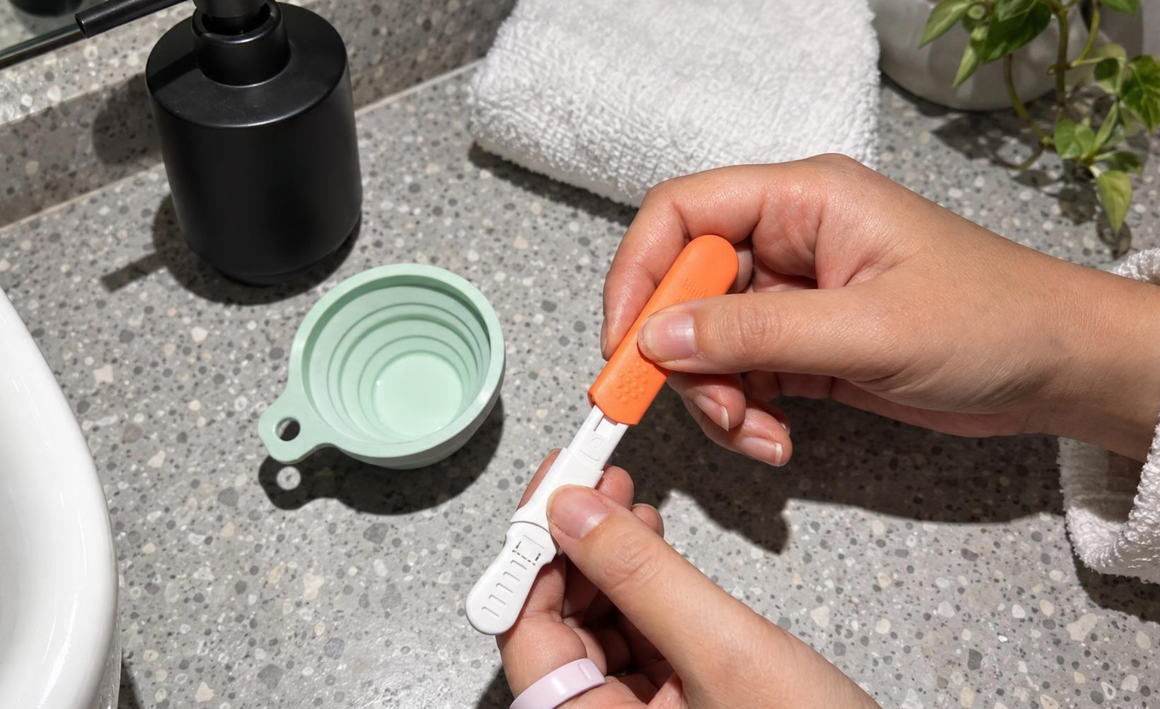
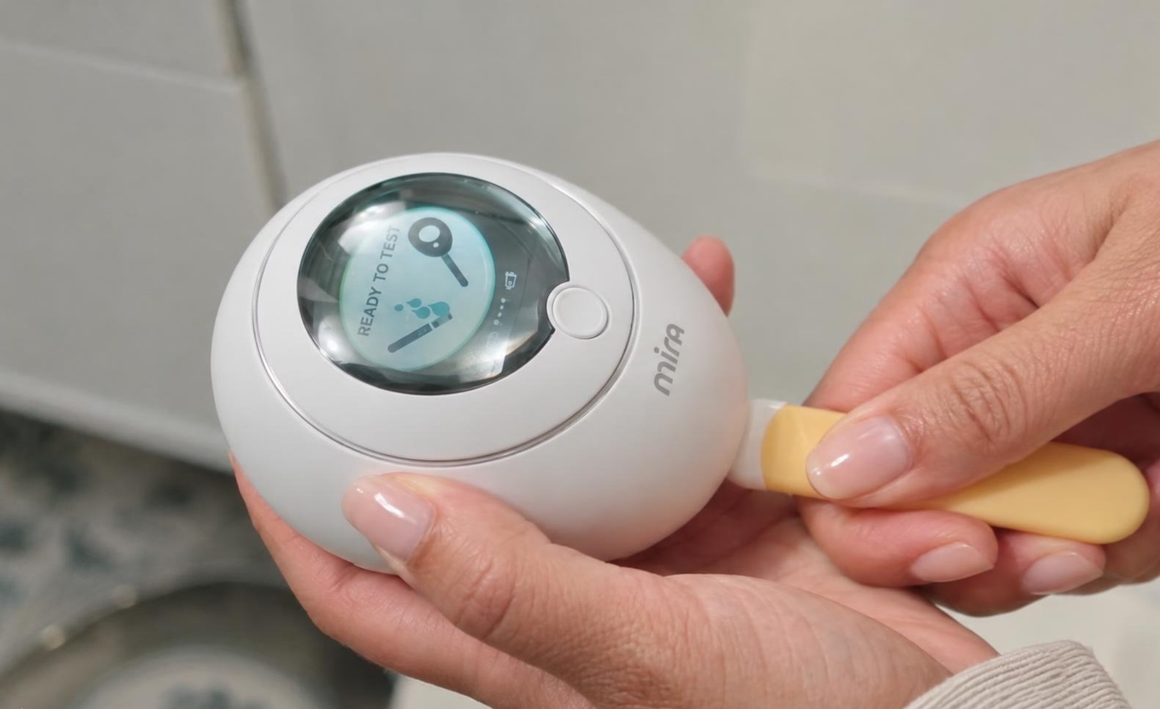
When it’s time to test, here is the whole routine:
- Dip the wand in a urine sample
- Slide it into the monitor
- Check the app when the numbers show up
No appointment. No lab. No waiting a week for a portal message. And no, you don’t pee on sticks forever. The app’s smart schedule tells you which days to test, and some weeks I barely tested at all.
The first two weeks were, honestly, underwhelming. A few dots. A couple of numbers. I thought, great, I bought a very sleek way to feel confused.
So I gave it a fair trial: two full months, test on the app’s schedule, log every symptom. The symptom log keeps symptoms, lifestyle factors, and medications in the same place as your hormone data, so even my worst days got a data point.
Here’s What Happened
Around week five, it all started making sense.
One cycle, my progesterone marker barely moved at all. Low PdG often signals a skipped ovulation, and I would never have known that was happening. My period app, for the record, had no idea either.
That one stopped me. I didn’t think I wanted to get pregnant again, but now I was wondering: could I, or is it too late? Ovulation can still happen in perimenopause even as cycles change, and Mira tracks LH and PdG, so I could see whether and when I was ovulating.
Then the 3 a.m. wake-ups. A rough stretch of them lined up with a swing in my estrogen marker. I’m not saying that explains everything. But for the first time, my worst week had a pattern next to it instead of a shrug.
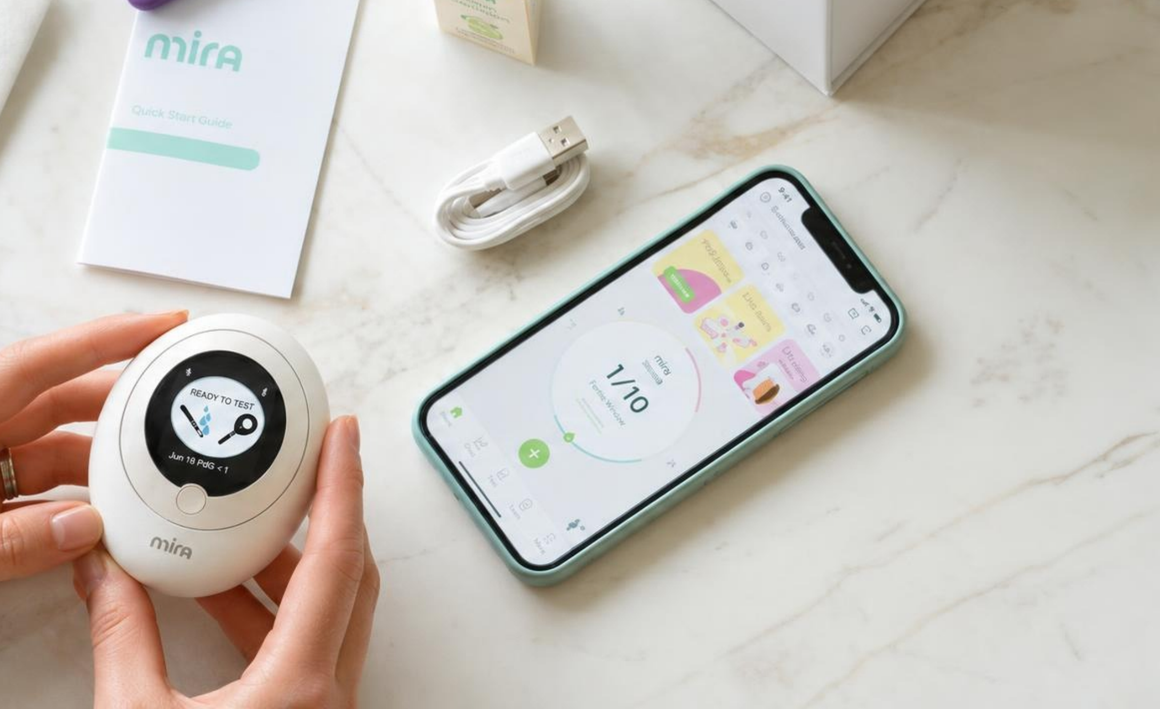
The part I didn’t see coming was the appointment. I downloaded the report from the app and brought it to my next visit. Same office. Same kind of visit. Completely different conversation. She asked better questions, and I wasn’t trying to convince anyone I felt off. I had two months of data on the table.
“I am in perimenopause and have struggled with tachycardia and panic attacks that happen during specific days of my cycle. Being able to track my hormones and having a report I can take to my doctor has been a game changer for my peace of mind.”
Ashley S., verified buyer
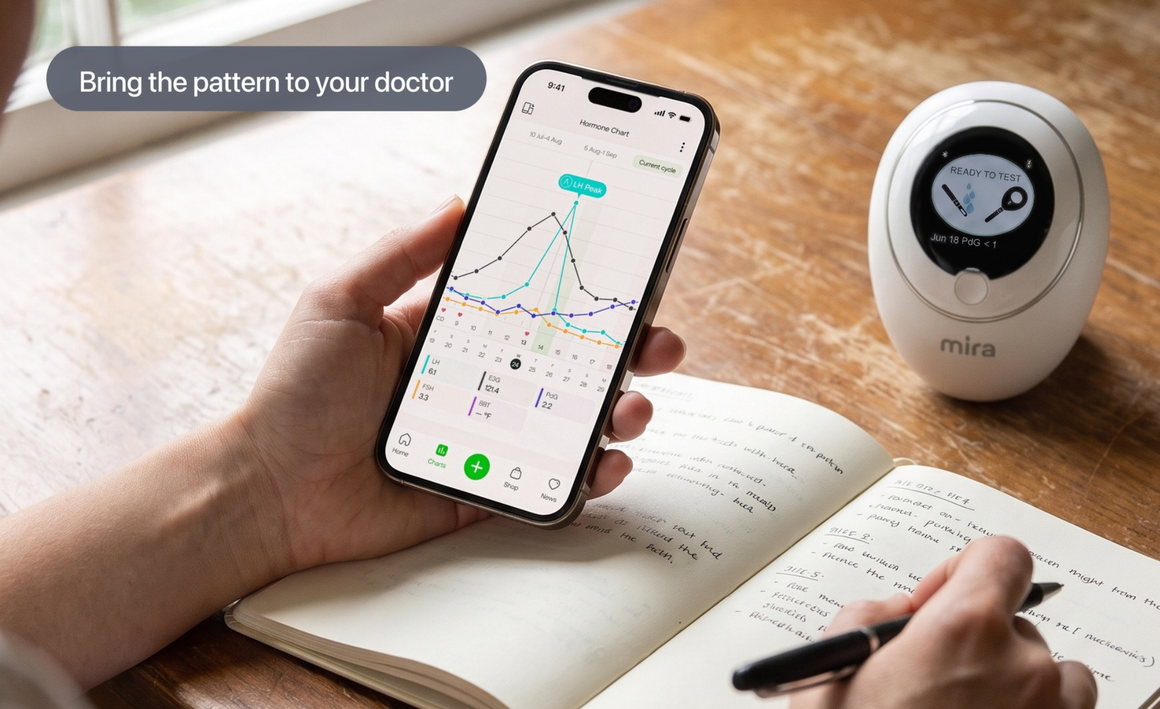
Mira didn’t tell me what was wrong, and it can’t. Only a provider can confirm where you are in the transition. What it gave me was a way to stop arguing about my own experience.
Why It Works: Patterns Beat Snapshots
Mira puts it plainly: FSH is the hormone that reflects where you are in the transition. One reading won’t tell you much. Watching it over months is the point, as context for you and your doctor, not a verdict. The other three hormones fill in the rest of the picture, cycle by cycle.
Two months in, my dashboard looked like this:
- My own hormone numbers, not an app’s prediction
- Symptoms logged right next to the hormone data
- A pattern instead of a single “normal” morning
- A report I could actually hand to my doctor
I’m not the only one. In a Mira survey, 9 in 10 users said they felt prepared and backed with data to talk to a doctor about menopause. That’s a self-reported survey, not a clinical trial. Still, Mira is rated 4.8 stars across more than 3,000 reviews, and now I get why.
What It Won’t Do, and What It Costs
I came in doubting myself. I’m leaving as a person with a hormone monitor on her bathroom shelf. Didn’t see that coming.
Quick reality check before you buy:
- It won’t make your symptoms go away. It gives you data, clarity, and a better conversation.
- It can’t confirm a menopause stage. That’s a doctor’s job.
- It’s not contraception, and it’s not built to tell you whether hormone therapy is working.
The price is real. The Ultra4 Kit for Perimenopause is $249 with 20 wands, or $269 with 30, and FSA and HSA are accepted. For months of my own numbers instead of one “normal” morning, I’ll take it.
Editor’s Note: Mira is offering 20% off kits during the Halloween Sale.
If you’ve been wondering whether it’s perimenopause or “just stress,” start tracking what’s really happening in your body.
Disclaimer: Mira is for hormone tracking and personal awareness only. It is not intended to monitor or evaluate the effectiveness of HRT or any medical treatment. Only a healthcare provider can confirm a menopause stage or diagnose any condition. Do not use Mira for contraception; pregnancy may still be possible during the transition. Hormonal medications may impact results. Mira does not diagnose, treat, cure, or prevent any disease. Consult a doctor for all medical decisions.